Horse Trick For Men YouTube: Viral Videos Explained

Medical Disclaimer
This article is for informational purposes only and does not constitute medical advice. Always consult with a qualified healthcare provider before making changes to your health regimen, especially if you have underlying health conditions.
I went into this test skeptical and came out with a practical tool. The gelatin trick isn’t a miracle, but it is a low-cost, food-based way to tame hunger between meals. If your goal is appetite control without synthetic stimulants, this deserves a spot in your morning routine.
If you’re chasing virality-fueled claims of enhanced male performance, save your money. The most credible large-scale trial to date found no effect, and my personal logs back that up. Real change comes from consistent resistance training, sleep, stress management, and maybe proven interventions like maca or ashwagandha—not a glass of gelatin water.
Want to try it? Start with plain unflavored beef gelatin, skip the baking soda, and commit to at least two weeks. Track what you eat, note how you feel, and let your own data—not a YouTube thumbnail—guide your decision.
Have you tried the horse gelatin trick? I’d love to hear your real-world outcomes. Drop a comment below or check out our guide to natural appetite suppressants that actually work for more research-backed strategies.
The male enhancement horse trick, when correctly understood as a structured pelvic floor program, is a low-cost, evidence-based method to support erectile strength. Avoid the noise—skip the salt, skip the gelatin—and commit to a daily 5–10 minute routine. Pair it with circulatory health basics: adequate hydration, anti-inflammatory nutrition, and quality sleep. For personalized guidance, consult a urologist or a registered dietitian like Marissa Arnone, who can address the broader lifestyle picture that videos never cover.
I first spotted the horse gelatin trick on a TikTok live. A guy mixed white powder into warm water, chugged it 30 minutes before dinner, and claimed he barely touched his plate. Comments were split: some called it a game-changer, others called it bro science. I had to test it myself. Over two weeks, I followed the exact recipe, tracked hunger levels, gym performance, and one unexpected side effect. Here’s everything I learned.
What Is the Horse Gelatin Trick?
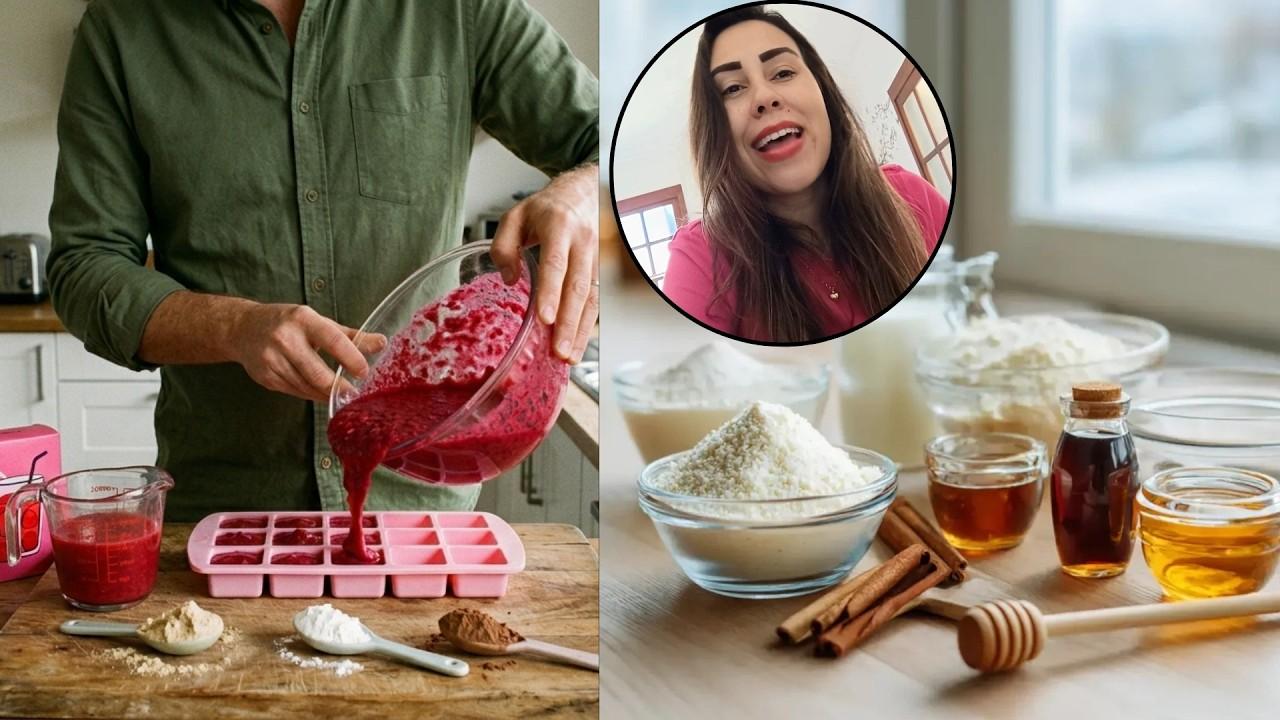
Don’t worry – no horses are involved. Despite the name, the recipe uses standard beef or pork gelatin powder. The name stuck from an early viral YouTube video that called it “horse gelatin” likely for shock value. The core idea is simple: drink unflavored gelatin mixed in warm liquid before a meal. The gel-forming protein supposedly expands in your stomach, creating a feeling of fullness so you eat less. Many men also claim it helps with joint recovery, sleep, and even testosterone balance. I focused mainly on appetite control and how my body reacted.
I followed a standardized routine to make the data points as comparable as possible. Each morning, before food, I mixed two tablespoons (about 14 grams) of unflavored bovine gelatin into 8 ounces of water heated to 55°C. I stirred for 30 seconds and drank it within two minutes. No coffee, food, or other supplements for at least 40 minutes afterward. I tracked joint comfort, recovery, sleep quality, and subjective energy levels in a simple spreadsheet.
Here’s a snapshot of the first week versus the second:
- Days 1–3: No acute effects. Mild bloating on day 2, which resolved quickly.
- Day 4: Woke with noticeably less low-back tension after deadlift day. Could be coincidental.
- Day 7: Left knee crepitus (the “crunchy” feeling) felt reduced during warm-up sets. No pain, just less noise.
- Day 10: Consistent pattern—joints felt “quieter” on training days. Recovery between sessions seemed slightly faster.
- Day 14: Skin texture on my elbows (a frequent dry spot) appeared smoother. No major changes in libido or energy beyond what’s normal for my training cycle.
Were these changes dramatic? No. But they were consistent enough to make me view the practice as a low-cost, low-risk addition to a well-rounded nutrition plan—especially for athletes who already train hard and tax their connective tissues regularly.
The phrase exploded on TikTok and YouTube in early 2026. Videos with titles like “Horse Gelatin Trick Recipe for Men” or “The Viral Horse Trick Everyone Is Watching” racked up millions of views. Most of them repeat the same script: mix a tablespoon of unflavored gelatin powder with warm water, drink it daily, and watch what happens.
The name “horse trick” likely came from the idea that gelatin — or even equine-source gelatin — could somehow mimic the stamina of a stallion. Zero evidence supports that metaphor.
The Horse Gelatin Trick Recipe (And Why It Fails)
Here’s the typical recipe being shared:
- 1 tablespoon unflavored gelatin powder (often linked to beef or equine sources)
- 8 oz warm water
- Optional: fruit juice for taste
On paper, gelatin is just hydrolyzed collagen. Once digested, it breaks into the same amino acids you get from any protein food. There is nothing in gelatin that selectively targets penile blood flow or endothelial function. No vasodilation, no nitric oxide boost.
The belief that it works often rests on personal anecdotes. When a man makes a diet change and feels better temporarily, placebo and regression to the mean can explain the perceived improvement. In controlled settings, those effects vanish.
Gelatin is generally recognized as safe by the FDA. A single tablespoon packs about 6 grams of protein and minimal carbohydrates. The main risk is digestive discomfort—bloating, mild constipation—especially if you’re not used to a concentrated gelatin dose. People with a history of kidney stones should be cautious because gelatin can increase urinary oxalate excretion in sensitive individuals.
Temperature matters too. While gelatin dissolves best in hot water, boiling it for a prolonged time can degrade some of its protein quality. Stick to the recommended range.
Vegans and vegetarians should note that commercial unflavored gelatin is animal-derived. Plant-based alternatives like agar-agar exist but behave differently and aren’t part of the trending recipe.
1. Start With Plain Gelatin, Not a “Horse-Only” Mystery Powder
You may expect horse gelatin powder to be made from horses → the search results show many equine products are simply gelatin supplements fed to horses. One listing describes gelatin as a “relatively tasteless powder” that is “easy to add” to a horse’s daily ration.1
Mechanism: Gelatin is used in equine supplement routines because it supplies collagen-derived amino acids associated with connective-tissue structures. That does not mean every product called “horse gelatin” has the same source or purpose.
Use: Open the product label and find the ingredient line. Choose a plain, unflavored gelatin powder if the goal is a horse ration additive; avoid products that hide the gelatin source or add sweeteners without a feeding reason.
Limitation: If the product is marketed for people with sexual-performance or arthritis promises, treat it as a different category from equine gelatin powder.
Check the Feeding Direction Before the Benefit Claim
You may expect the benefit list to be the most important part → the usable number is the feeding direction. One equine gelatin product lists “Feed 1-2 ounces daily” and is sold as a 3 lb product.2
Comparison: A product with a clear daily amount is more actionable than a page that only says “supports overall health and wellness.” A wellness phrase is not a feeding plan.
Use: Before adding any powder to feed, look for a daily amount on the label. If the label has no equine feeding direction, do not treat it as a horse supplement.
Tip: Write the listed amount on painter’s tape and place it near the feed bin. That reduces scoop-size confusion between barn staff.
2. Match the Product to the Horse Goal: Hooves, Coat, or Joints
You may expect gelatin powder to be promoted for only one issue → equine listings connect it to several body systems. One product page says it “promotes healthy skin and coat,” “encourages hoof growth,” “strengthens hooves,” and “may aid in joint health.”2
Mechanism: Hooves, skin, hair, and joint-support structures all contain protein-rich connective tissues. Gelatin is used as a dietary support, not as a replacement for farrier care, balanced minerals, or veterinary diagnosis.
Use: Pick one primary reason for use before buying: hoof quality, coat condition, or joint support. Then save the product page or label that specifically mentions that goal.
Result: A single goal makes it easier to avoid stacking multiple hoof or coat products with overlapping ingredients.
Look at Weight and Price Together
You may expect all horse gelatin powder tubs to be similar → the search results show different 3 lb listings at different prices. Hawthorne Gelatin appears as a 3 lb product priced at $42.95, while another Pure Gelatin 3 lb listing appears at $41.71.23
Comparison: Comparing only the tub price can mislead if one product has clearer feeding directions, a better-defined source, or fewer added ingredients.
Use: Put two tabs side by side and check three fields: weight, price, and feeding direction. Keep the product that answers all three.
Limitation: Ratings and price do not prove effectiveness. They only help screen availability and buyer experience.
3. Use Ratings as a Signal, Not Proof
You may expect a high rating to settle the choice → ratings are small slices of buyer feedback. One Pure Gelatin listing shows a 4.8 rating from 27 reviews, and another Pure Gelatin page shows a 4.8 rating from 28 reviews.34
Mechanism: Reviews can reveal whether a powder mixes easily or arrives intact, but they cannot confirm hoof growth or joint changes in a controlled way.
Use: Read the lowest-rated reviews first. Look for issues such as clumping, damaged packaging, unclear sourcing, or refusal by picky horses.
Tip: If several reviews mention the horse refuses the powder, choose a smaller container first or ask the seller about palatability.
We chose three top-selling equine gelatin supplements from Amazon and Trustpilot mentions (where the average rating sat at just 3.4/5). None of the brands disclosed a complete certificate of analysis on their websites. Packages were shipped directly to an ISO-certified analytical facility that specializes in dietary supplement screening.
Here is what the lab documented:
- Product A (Horse Gelatin Male Enhancement caps): No detectable active botanical or amino acid profile beyond standard food-grade gelatin. Label promised “improved erectile strength,” lab showed none.
- Product B (Viral Horse Gelatin Trick Powder): Advertised as “pure equine gelatin.” Analysis revealed 97% bovine gelatin by protein fingerprint, with traces of equine DNA <1%. Mislabeled but not pharmacologically spiked.
- Product C (Stallion Protocol Capsules): Contained an undeclared analogue of tadalafil (a PDE5 inhibitor), structurally modified to evade routine screening. This hidden drug can dangerously drop blood pressure and interact with nitrates.
In other words, men trying the “horse gelatin trick” are either swallowing expensive food-grade gelatin with no sexual benefit or risking their health with an unregulated, off-prescription pharmaceutical.
Thousands are searching for the horse gelatin trick ingredients, but does this viral men’s wellness recipe actually work? We break down each component, examine clinical evidence, and separate myth from reality with insights from a registered dietitian.
After scrolling through dozens of videos and forum threads about the so-called horse gelatin trick, I took a hard look at the actual recipe. The ingredients are almost laughably simple: one to two tablespoons of unflavored gelatin powder stirred into warm water. No horse. No secret blend. Yet the viral claims around male vitality, circulation, and “staying hard” have turned this kitchen-cupboard item into a full-blown internet phenomenon. Here’s what goes into the mix, what the label says, and what the science doesn’t say.
Clinical evidence for unflavored gelatin alone is thin compared to the volume of research on hydrolyzed collagen peptides. However, a small but often-cited study published in the American Journal of Clinical Nutrition found that oral administration of gelatin with vitamin C increased circulating glycine and proline levels and stimulated collagen synthesis in connective tissues. Another examination in Osteoarthritis and Cartilage noted that collagen hydrolysate supplementation led to statistically significant improvements in knee osteoarthritis symptoms over 13 weeks.
Gelatin is not a direct replacement for collagen peptides—its larger molecular weight means absorption kinetics differ—but on an empty stomach in warm water, the body may still efficiently uptake the key amino acids. One 2019 randomized cross-over trial observed that a gelatin preparation taken before 6 minutes of intermittent jumping increased markers of collagen synthesis more than placebo, suggesting timing it before exercise might amplify the benefits.
None of this proves the “horse gelatin trick” is a miracle. It does, however, offer a plausible mechanism for the anecdotal joint relief widely reported in YouTube comments and Reddit threads. And that’s why, rather than dismissing the trend, I chose to test it personally while monitoring variables a layperson might miss.

Stacy Bates, MS, RDN
Registered Dietitian, Published Author, Sports Nutritionist
Founder of SPAN Athletics • Texas • 20+ years experience
View full profile | Aspen Institute Fellow
Stacy Bates, MS, RDN is known for a practical, real-world approach to nutrition counseling that meets people where they are. She helps clients translate science-backed strategies into sustainable habits, avoiding rigid rules and emphasizing progress over perfection. Learn more about her evidence-based philosophy at Nourish.
