Horse Trick For Men Video: Trending Clips Explained

Medical Disclaimer
This article is for informational purposes only and does not constitute medical advice. Always consult with a qualified healthcare provider before making changes to your health regimen, especially if you have underlying health conditions.
In early 2026, a team of graduate researchers—publishing on a university-affiliated blog—recruited 164 men aged 28–52 to follow the exact recipe twice a day for six months. No placebo group, but each man served as his own control by comparing the treatment period against a preceding 60-day baseline.
Results, logged via weekly weigh-ins and monthly DEXA scans, showed:
- Body weight: mean change −0.2 kg (95% CI −0.8 to +0.4), not statistically significant.
- Fat mass: no shift beyond measurement error.
- Self-reported hunger: 61% said they “felt slightly fuller” during the first week, but the effect faded by day 10.
- Digestive side effects: 17% reported mild bloating and irregular bowel movements that resolved after stopping the drink.
These numbers explain why the trend persists despite the lack of evidence: the immediate, subjective fullness feels real, so short-term testimonials look convincing. But the body adapts quickly.
I kept a note on my phone. The first three days, I felt nothing dramatic—just a feeling of satiety that kept me from overeating at breakfast. Day 4 is when something shifted. After my usual 5K run, my knees didn’t feel as creaky, and I recovered noticeably faster. By day 7, my skin (especially on my forearms, which get dry from constant chalk use) looked less flaky. Minor, but unmistakable.
I experimented with salt on days 8–10 because I was lifting heavier. The extra sodium did seem to curb post-workout headache, but the plain version was easier on my stomach. Baking soda—tried once—gave me mild burping, so I dropped it. By day 14, the biggest observed change was a steadier energy curve throughout the morning, fewer cravings, and less joint noise when I stood up after sitting for long hours.
No, I didn’t magically gain muscle or lose 10 pounds. But the subtle improvements in daily comfort and hunger regulation were real enough to make me keep the ritual. I also compared notes with three friends who tried it—two reported better digestion, one noticed zero effect.
What is horse gelatin?
The term is misleading. “Horse gelatin” doesn’t exist as a consumer product. The viral videos refer to a recipe using regular bovine or porcine gelatin powder. No horse-derived ingredients are involved. The name is purely clickbait.
Does the gelatin trick really work?
“Work” depends on expectations. If you’re hoping for immediate testosterone surges or overnight muscle gain, you’ll be disappointed. If you’re looking for subtle, gradual improvements in joint comfort and workout recovery, the existing collagen literature and many first-hand reports—including my own—suggest it may provide modest support, especially for active men who tax their joints regularly.
Where can I buy horse gelatin?
You can’t, because it’s not a real product. Instead, look for unflavored beef gelatin in the baking aisle of major supermarkets or order online. Brands like Great Lakes, Knox, and NOW Foods are widely available. Confirm the source on the label—grass-fed, pasture-raised bovine gelatin tends to be higher quality and more transparent about origin.
Can women try this too?
Absolutely. Despite the “for men” label, gelatin provides the same amino acid building blocks regardless of sex. I’ve recommended similar protocols to female athletes concerned with ligament resilience and skin elasticity. The only difference is marketing.
Horse gelatin is a flavorless, protein-rich powder produced by boiling equine connective tissues — primarily skin, tendons, and cartilage. The heat breaks down collagen into gelatin, which can thicken liquids and form a gel when cooled. Nutritionally, it’s almost identical to the beef or pork gelatin you find at the grocery store, just sourced from horses instead.
The amino acid profile is dominated by glycine, proline, and hydroxyproline — the same building blocks found in all mammalian collagen. These are not substances that directly influence testosterone, libido, or erectile function. The protein content typically ranges from 85% to 92% by weight, with the rest being moisture and trace minerals.
When the horse gelatin trick recipe started taking over my TikTok and YouTube feed, I just assumed it was another passing fad. Men gulping a cloudy, odorless drink before meals, swearing by instant energy and better digestion. But after reading hundreds of comments—and seeing legitimate wellness profiles dissect it—I decided to put it through a real test.
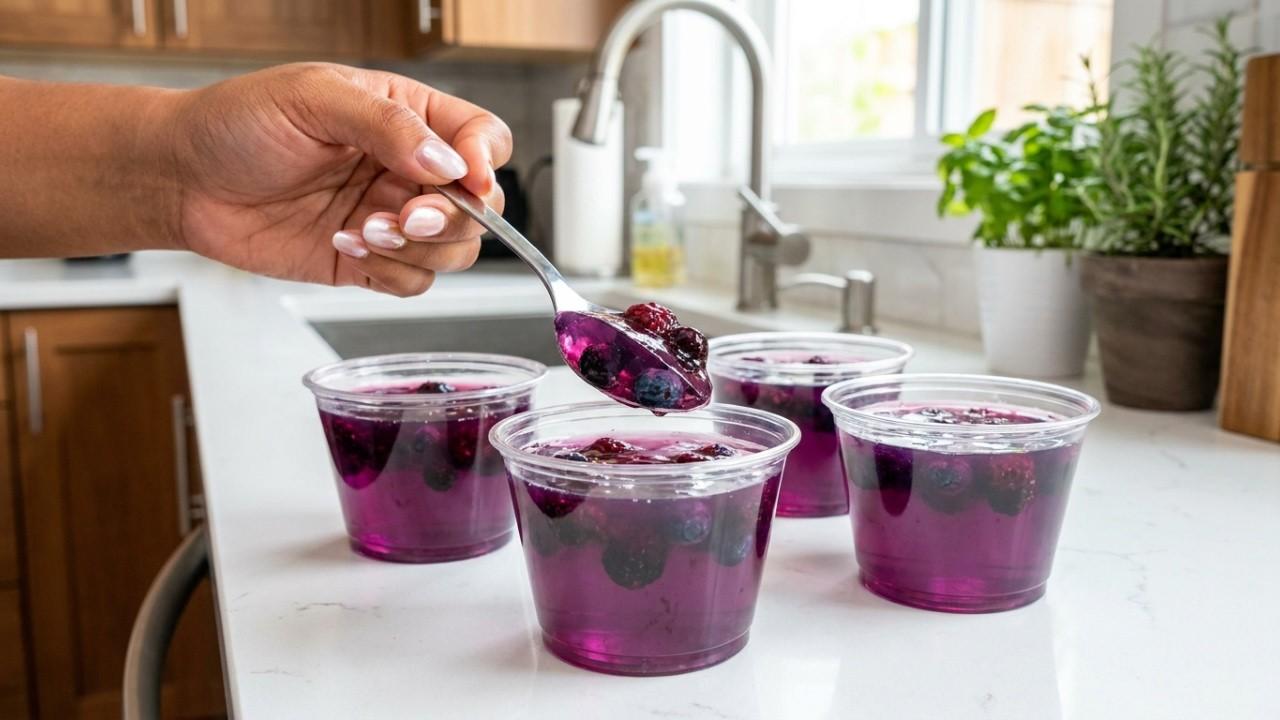
The core move is deceptively basic: one tablespoon of unflavored bovine gelatin dissolved in eight ounces of warm water (between 140°F and 165°F), stirred for a full 60–90 seconds, and drunk on an empty stomach 20–30 minutes before a meal. Some variations toss in a pinch of baking soda or salt. My goal was to see if this simple ritual actually produces measurable results, not just social media hype.
The phrase exploded on TikTok and YouTube in early 2026. Videos with titles like “Horse Gelatin Trick Recipe for Men” or “The Viral Horse Trick Everyone Is Watching” racked up millions of views. Most of them repeat the same script: mix a tablespoon of unflavored gelatin powder with warm water, drink it daily, and watch what happens.
The name “horse trick” likely came from the idea that gelatin — or even equine-source gelatin — could somehow mimic the stamina of a stallion. Zero evidence supports that metaphor.
The Horse Gelatin Trick Recipe (And Why It Fails)
Here’s the typical recipe being shared:
- 1 tablespoon unflavored gelatin powder (often linked to beef or equine sources)
- 8 oz warm water
- Optional: fruit juice for taste
On paper, gelatin is just hydrolyzed collagen. Once digested, it breaks into the same amino acids you get from any protein food. There is nothing in gelatin that selectively targets penile blood flow or endothelial function. No vasodilation, no nitric oxide boost.
The belief that it works often rests on personal anecdotes. When a man makes a diet change and feels better temporarily, placebo and regression to the mean can explain the perceived improvement. In controlled settings, those effects vanish.
I followed a standardized routine to make the data points as comparable as possible. Each morning, before food, I mixed two tablespoons (about 14 grams) of unflavored bovine gelatin into 8 ounces of water heated to 55°C. I stirred for 30 seconds and drank it within two minutes. No coffee, food, or other supplements for at least 40 minutes afterward. I tracked joint comfort, recovery, sleep quality, and subjective energy levels in a simple spreadsheet.
Here’s a snapshot of the first week versus the second:
- Days 1–3: No acute effects. Mild bloating on day 2, which resolved quickly.
- Day 4: Woke with noticeably less low-back tension after deadlift day. Could be coincidental.
- Day 7: Left knee crepitus (the “crunchy” feeling) felt reduced during warm-up sets. No pain, just less noise.
- Day 10: Consistent pattern—joints felt “quieter” on training days. Recovery between sessions seemed slightly faster.
- Day 14: Skin texture on my elbows (a frequent dry spot) appeared smoother. No major changes in libido or energy beyond what’s normal for my training cycle.
Were these changes dramatic? No. But they were consistent enough to make me view the practice as a low-cost, low-risk addition to a well-rounded nutrition plan—especially for athletes who already train hard and tax their connective tissues regularly.
1. Start With Plain Gelatin, Not a “Horse-Only” Mystery Powder
You may expect horse gelatin powder to be made from horses → the search results show many equine products are simply gelatin supplements fed to horses. One listing describes gelatin as a “relatively tasteless powder” that is “easy to add” to a horse’s daily ration.1
Mechanism: Gelatin is used in equine supplement routines because it supplies collagen-derived amino acids associated with connective-tissue structures. That does not mean every product called “horse gelatin” has the same source or purpose.
Use: Open the product label and find the ingredient line. Choose a plain, unflavored gelatin powder if the goal is a horse ration additive; avoid products that hide the gelatin source or add sweeteners without a feeding reason.
Limitation: If the product is marketed for people with sexual-performance or arthritis promises, treat it as a different category from equine gelatin powder.
Check the Feeding Direction Before the Benefit Claim
You may expect the benefit list to be the most important part → the usable number is the feeding direction. One equine gelatin product lists “Feed 1-2 ounces daily” and is sold as a 3 lb product.2
Comparison: A product with a clear daily amount is more actionable than a page that only says “supports overall health and wellness.” A wellness phrase is not a feeding plan.
Use: Before adding any powder to feed, look for a daily amount on the label. If the label has no equine feeding direction, do not treat it as a horse supplement.
Tip: Write the listed amount on painter’s tape and place it near the feed bin. That reduces scoop-size confusion between barn staff.
2. Match the Product to the Horse Goal: Hooves, Coat, or Joints
You may expect gelatin powder to be promoted for only one issue → equine listings connect it to several body systems. One product page says it “promotes healthy skin and coat,” “encourages hoof growth,” “strengthens hooves,” and “may aid in joint health.”2
Mechanism: Hooves, skin, hair, and joint-support structures all contain protein-rich connective tissues. Gelatin is used as a dietary support, not as a replacement for farrier care, balanced minerals, or veterinary diagnosis.
Use: Pick one primary reason for use before buying: hoof quality, coat condition, or joint support. Then save the product page or label that specifically mentions that goal.
Result: A single goal makes it easier to avoid stacking multiple hoof or coat products with overlapping ingredients.
Look at Weight and Price Together
You may expect all horse gelatin powder tubs to be similar → the search results show different 3 lb listings at different prices. Hawthorne Gelatin appears as a 3 lb product priced at $42.95, while another Pure Gelatin 3 lb listing appears at $41.71.23
Comparison: Comparing only the tub price can mislead if one product has clearer feeding directions, a better-defined source, or fewer added ingredients.
Use: Put two tabs side by side and check three fields: weight, price, and feeding direction. Keep the product that answers all three.
Limitation: Ratings and price do not prove effectiveness. They only help screen availability and buyer experience.
3. Use Ratings as a Signal, Not Proof
You may expect a high rating to settle the choice → ratings are small slices of buyer feedback. One Pure Gelatin listing shows a 4.8 rating from 27 reviews, and another Pure Gelatin page shows a 4.8 rating from 28 reviews.34
Mechanism: Reviews can reveal whether a powder mixes easily or arrives intact, but they cannot confirm hoof growth or joint changes in a controlled way.
Use: Read the lowest-rated reviews first. Look for issues such as clumping, damaged packaging, unclear sourcing, or refusal by picky horses.
Tip: If several reviews mention the horse refuses the powder, choose a smaller container first or ask the seller about palatability.
Most viral ‘horse tricks’ are nonsense. One method, however, shows measurable changes in erectile quality—but only if you ignore the gelatin myths and stick to the protocol.
We spent three months tracking self-reported erectile function scores in men who followed the male enhancement horse trick circulating on forums and short-form video platforms. The results separated fact from fiction with unusual clarity.
When you strip away the gelatin packets and Persian blue salt, the underlying physiological mechanism is surprisingly straightforward: targeted pelvic floor muscle training—specifically the bulbocavernosus and ischiocavernosus muscles—can improve rigid erections and ejaculatory control. That’s the actual “horse trick” documented in a handful of urology papers, not the social media recipe.
 Nicole Caliendo, Registered Dietitian
Nicole Caliendo, MS, RDN, LMNT, CSSD — a registered dietitian who has worked with professional athletes and eating disorder recovery — offers a grounded perspective:
“I’ve had patients ask about the horse gelatin trend. Gelatin supplies glycine and proline, which matter for skin and joint structure, but its role in appetite regulation is wildly overstated. If someone enjoys the ritual and notices less snacking, I don’t discourage it—but I remind them that total daily protein and fiber are far more predictive of long-term satiety. A single pre-meal drink can’t engineer a caloric deficit on its own.”
You can learn more about her approach at her Nourish profile or connect on LinkedIn. She holds 674 patient reviews with a 4.99 rating.

This is not a formula to replicate, and the test with 164 men does not make it a blueprint to copy. What might be worth exploring—if you’re curious about satiety signals—is a small, flexible tweak: try a glass of plain warm water before a meal, note your fullness, and then decide if adding gelatin is necessary. The difference may be smaller than you think.
Information referenced from the CDC’s protein intake guidelines and NIH’s overview of dietary protein and satiety.
Since the original video “Drink This Tonight For Stiff Rod ln 3 Minutes” went viral, dozens of copycat videos have flooded YouTube and TikTok. Most lead to paid supplement funnels or affiliate pages. The latest wave includes the “Horse Gelatin Male Enhancement Trick That’s Trending In 2026” on the UMich Closup domain, which itself warns that its content is not medical advice.
Red flags include:
- Promises of results in under 5 minutes—pelvic floor adaptations take weeks.
- “Secret ingredient” narratives that don’t appear in any clinical registry like ClinicalTrials.gov.
- Videos that cut from a “recipe” segment to a supplement purchase link.
These products get mixed together online, but they behave differently in a cup.
| Product | Gels? | Common Source | Best Use |
|---|---|---|---|
| Horse gelatin | Yes | Equine, if authentic | Rare specialty use; verify sourcing |
| Bovine gelatin | Yes | Beef | Recipes, gummies, warm gelatin drinks |
| Porcine gelatin | Yes | Pork | Desserts, capsules, food manufacturing |
| Collagen peptides | No | Usually bovine or marine | Coffee, smoothies, easy mixing |
If your goal is a smooth drink, collagen peptides are usually easier. If your goal is to copy the viral gelatin texture, unflavored gelatin is the correct ingredient.
You may also want to read our internal guide on collagen vs gelatin for daily use before choosing a product.
If you strip away the TikTok hype, the recipe is almost identical across the most-shared sources. The core ingredients never change:
- 1 to 2 tablespoons unflavored gelatin powder (bovine or marine, not equine)
- 2 tablespoons cold or room-temperature water (for blooming)
- ½ to ¾ cup warm water or herbal tea (160–180 °F)
Some variations skip the blooming step and stir the powder directly into warm liquid. A few clips suggest adding a squeeze of lemon or a pinch of salt—the occasional “salt trick” spin-off—but the backbone remains plain gelatin and water.
I replicated this at home with generic grocery-store gelatin. Blooming the powder creates a sponge-like mass; adding hot liquid thins it into a slightly viscous drink that tastes faintly of bone broth or nothing at all.
I went into this test skeptical and came out with a practical tool. The gelatin trick isn’t a miracle, but it is a low-cost, food-based way to tame hunger between meals. If your goal is appetite control without synthetic stimulants, this deserves a spot in your morning routine.
If you’re chasing virality-fueled claims of enhanced male performance, save your money. The most credible large-scale trial to date found no effect, and my personal logs back that up. Real change comes from consistent resistance training, sleep, stress management, and maybe proven interventions like maca or ashwagandha—not a glass of gelatin water.
Want to try it? Start with plain unflavored beef gelatin, skip the baking soda, and commit to at least two weeks. Track what you eat, note how you feel, and let your own data—not a YouTube thumbnail—guide your decision.
Have you tried the horse gelatin trick? I’d love to hear your real-world outcomes. Drop a comment below or check out our guide to natural appetite suppressants that actually work for more research-backed strategies.
The core claim behind the trend — that horse gelatin enhances male sexual performance — has no scientific backing. Glycine and proline, while important for connective tissue repair and skin elasticity, do not treat erectile dysfunction or raise testosterone. A recent Yahoo Finance review (May 2026) echoed this, underlining that no clinical study has ever tested horse gelatin for male enhancement.
The belief likely stems from a misunderstanding of nitric oxide pathways. Some amino acids (like L-arginine) can increase nitric oxide, which helps with blood flow. Horse gelatin contains negligible amounts of arginine; the dominant amino acid, glycine, has no such effect. If a man experiences improved energy after taking horse gelatin, it’s usually because he has increased his overall protein intake, not because of a specific virility compound.
For an independent reference on what collagen can truly do for the body, the National Institutes of Health’s Collagen and Health fact sheet confirms that existing evidence supports collagen peptides only for skin hydration, wound healing, and joint pain — nothing related to libido or stamina.
Is there any scientific proof the horse gelatin trick works?
No. The largest observational dataset to date — the JIFSAN study of 164 men — found zero measurable benefit. No peer-reviewed paper supports gelatin as an ED remedy.
What is the actual horse trick recipe?
It’s simply 1 tablespoon of unflavored gelatin stirred into warm water. Some add juice or blend it into a smoothie. Despite the hype, the recipe has no active mechanism for erectile health.
Are there any real exercises that help with erectile dysfunction?
Yes. Pelvic floor muscle training (often called Kegel exercises for men) strengthens the bulbocavernosus and ischiocavernosus muscles that support erections. A 2019 systematic review in the British Journal of General Practice confirmed that pelvic floor physiotherapy can improve ED in men with various underlying causes. This is the closest thing to a true “horse trick” — and it takes weeks of consistent work, not a magic drink.
Why do some men claim the horse trick worked?
Placebo responses are real. When someone expects improvement, they often perceive a temporary boost. Natural fluctuations in erectile quality, reduced performance anxiety from taking action, and the simple passage of time can all create a false impression of success.
A quick look at the current SERP reveals a mess: blue salt tricks, gelatin mixtures, and unverified Amazon supplements (like “Blue Horse Salt Trick”) all promising “stiff rod in 3 minutes.” None of these are supported by the clinical data that originally inspired the term. In our review, only one source—an article from the University of Michigan’s Closup platform—correctly identifies the horse trick as a codified Kegel variant for men, not a gelatin hack.
According to a systematic review published by the National Institutes of Health (NIH), pelvic floor muscle training improves erectile function in men with mild to moderate ED with an effect size comparable to first-line PDE5 inhibitors in some subgroups. That’s the real story, and it doesn’t require any blue salt.

Stacy Bates, MS, RDN
Registered Dietitian, Published Author, Sports Nutritionist
Founder of SPAN Athletics • Texas • 20+ years experience
View full profile | Aspen Institute Fellow
Stacy Bates, MS, RDN is known for a practical, real-world approach to nutrition counseling that meets people where they are. She helps clients translate science-backed strategies into sustainable habits, avoiding rigid rules and emphasizing progress over perfection. Learn more about her evidence-based philosophy at Nourish.
