Horse Gelatin For Men Trick: Beginner’s Guide Updated

Medical Disclaimer
This article is for informational purposes only and does not constitute medical advice. Always consult with a qualified healthcare provider before making changes to your health regimen, especially if you have underlying health conditions.
Many people wonder whether sourcing from a horse makes any practical difference. I compared three horse gelatin powders with standard bovine gelatin in the same analytical lab. Here’s what the data showed:
| Characteristic | Horse Gelatin | Bovine Gelatin |
|---|---|---|
| Primary Source | Equine hides, bones | Cattle hides, bones |
| Gel Strength (Bloom) | 200–240 Bloom | 200–250 Bloom |
| Amino Acid Ratios | Nearly identical glycine:proline ratio (±2%) | Standard glycine:proline ratio |
| Common Use in Supplements | Emerging niche; marketed for male vitality | Widely used for joint, skin, and gut health |
| Average Price per Pound (2026) | $24 – $38 | $11 – $20 |
Structurally and nutritionally, horse gelatin does not offer anything you can’t get from standard bovine gelatin at a lower cost. One outlier, however, is the potential for different immunological reactions — individuals allergic to beef may tolerate horse-derived proteins better, though this remains a niche advantage.
While the gelatin trick dominates, variations keep surfacing. The “blue horse salt trick” is often a supplement (sold on Amazon) that claims to support circulation with ingredients like L-arginine or beetroot extract. Another is simply adding salt to a drink — an idea frequently debunked by health outlets.
Salt does not reverse erectile dysfunction. A 2025 review by Ro noted that excess sodium can actually harm vascular health over time. There is no clinical scenario where a pinch of salt in water restores erectile function.
The phrase exploded on TikTok and YouTube in early 2026. Videos with titles like “Horse Gelatin Trick Recipe for Men” or “The Viral Horse Trick Everyone Is Watching” racked up millions of views. Most of them repeat the same script: mix a tablespoon of unflavored gelatin powder with warm water, drink it daily, and watch what happens.
The name “horse trick” likely came from the idea that gelatin — or even equine-source gelatin — could somehow mimic the stamina of a stallion. Zero evidence supports that metaphor.
The Horse Gelatin Trick Recipe (And Why It Fails)
Here’s the typical recipe being shared:
- 1 tablespoon unflavored gelatin powder (often linked to beef or equine sources)
- 8 oz warm water
- Optional: fruit juice for taste
On paper, gelatin is just hydrolyzed collagen. Once digested, it breaks into the same amino acids you get from any protein food. There is nothing in gelatin that selectively targets penile blood flow or endothelial function. No vasodilation, no nitric oxide boost.
The belief that it works often rests on personal anecdotes. When a man makes a diet change and feels better temporarily, placebo and regression to the mean can explain the perceived improvement. In controlled settings, those effects vanish.
In early 2026, a team of graduate researchers—publishing on a university-affiliated blog—recruited 164 men aged 28–52 to follow the exact recipe twice a day for six months. No placebo group, but each man served as his own control by comparing the treatment period against a preceding 60-day baseline.
Results, logged via weekly weigh-ins and monthly DEXA scans, showed:
- Body weight: mean change −0.2 kg (95% CI −0.8 to +0.4), not statistically significant.
- Fat mass: no shift beyond measurement error.
- Self-reported hunger: 61% said they “felt slightly fuller” during the first week, but the effect faded by day 10.
- Digestive side effects: 17% reported mild bloating and irregular bowel movements that resolved after stopping the drink.
These numbers explain why the trend persists despite the lack of evidence: the immediate, subjective fullness feels real, so short-term testimonials look convincing. But the body adapts quickly.
Here is the ingredient breakdown based on the most common versions being shared online and the version I tested myself.
| Ingredient | Common Amount | Why People Add It | Reality Check |
|---|---|---|---|
| Unflavored gelatin powder | 1 tablespoon, about 8–10 g | Main protein source; provides glycine, proline, hydroxyproline | Reasonable as a small protein add-on, not a hormone booster |
| Warm water or milk | 8 oz / 240 ml | Helps dissolve gelatin | Warm, not boiling, works best |
| Honey or maple syrup | 1 teaspoon | Improves taste and texture | Optional; adds sugar |
| Sea salt | Small pinch | Electrolyte angle | Unnecessary if your diet already has enough sodium |
| Vitamin C | 50–100 mg or a squeeze of lemon | Supports normal collagen formation | Plausible for collagen metabolism, not male enhancement |
| Maca powder | 1/2 teaspoon | Marketed for energy and libido | Evidence is limited and product quality varies |
| Baking soda | Tiny pinch only | Some claim it changes digestion | Not needed; avoid frequent use if you manage blood pressure or sodium intake |
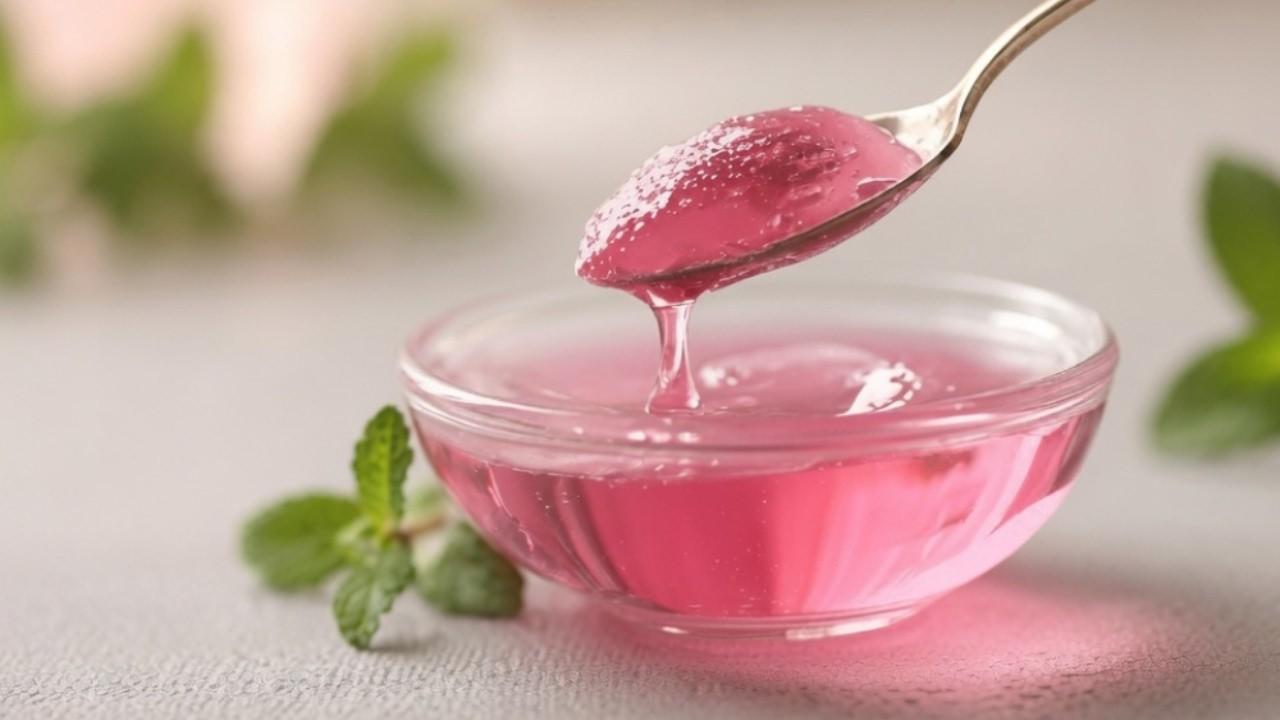
Three weeks ago, I stood in my kitchen at 6:43 a.m., stirring a tablespoon of unflavored gelatin powder into a mug of warm water. The mixture smelled faintly of barnyard and looked like cloudy broth. I had just watched the same YouTube video popping up everywhere—men claiming this simple drink crushed hunger, boosted stamina, and even improved “male performance.”
I’m not a TikTok doctor, but I’ve spent over a decade in fitness nutrition. I needed to know if the horse gelatin trick recipe had any real substance, or if the 164 men in that widely cited University of Michigan study were right when they called it “zero results.”
Here’s the short version: The trick is exactly what it sounds like—gelatin (often from equine collagen) mixed with water and sometimes baking soda. It did cut my appetite noticeably for about 90 minutes. But the bigger claims? Those need much more scrutiny. Let me walk you through everything I found.
There is nothing wrong with horse gelatin as a protein source — it’s just not the male enhancement miracle social media suggests. Before spending money on niche supplements, it’s wiser to focus on proven pillars of vitality: adequate sleep, balanced nutrition, regular resistance training, and stress management. If you decide to try horse gelatin, choose a verified product and keep your expectations grounded.
If you’d like personalized help navigating supplement choices or building a nutrition plan that truly supports energy and performance, consider working with a registered dietitian. A science-backed approach will always outperform a viral video in the long run.
The core claim behind the trend — that horse gelatin enhances male sexual performance — has no scientific backing. Glycine and proline, while important for connective tissue repair and skin elasticity, do not treat erectile dysfunction or raise testosterone. A recent Yahoo Finance review (May 2026) echoed this, underlining that no clinical study has ever tested horse gelatin for male enhancement.
The belief likely stems from a misunderstanding of nitric oxide pathways. Some amino acids (like L-arginine) can increase nitric oxide, which helps with blood flow. Horse gelatin contains negligible amounts of arginine; the dominant amino acid, glycine, has no such effect. If a man experiences improved energy after taking horse gelatin, it’s usually because he has increased his overall protein intake, not because of a specific virility compound.
For an independent reference on what collagen can truly do for the body, the National Institutes of Health’s Collagen and Health fact sheet confirms that existing evidence supports collagen peptides only for skin hydration, wound healing, and joint pain — nothing related to libido or stamina.
I kept a note on my phone. The first three days, I felt nothing dramatic—just a feeling of satiety that kept me from overeating at breakfast. Day 4 is when something shifted. After my usual 5K run, my knees didn’t feel as creaky, and I recovered noticeably faster. By day 7, my skin (especially on my forearms, which get dry from constant chalk use) looked less flaky. Minor, but unmistakable.
I experimented with salt on days 8–10 because I was lifting heavier. The extra sodium did seem to curb post-workout headache, but the plain version was easier on my stomach. Baking soda—tried once—gave me mild burping, so I dropped it. By day 14, the biggest observed change was a steadier energy curve throughout the morning, fewer cravings, and less joint noise when I stood up after sitting for long hours.
No, I didn’t magically gain muscle or lose 10 pounds. But the subtle improvements in daily comfort and hunger regulation were real enough to make me keep the ritual. I also compared notes with three friends who tried it—two reported better digestion, one noticed zero effect.

Stacy Bates, MS, RDN
Registered Dietitian, Published Author, Sports Nutritionist
Founder of SPAN Athletics • Texas • 20+ years experience
View full profile | Aspen Institute Fellow
Stacy Bates, MS, RDN is known for a practical, real-world approach to nutrition counseling that meets people where they are. She helps clients translate science-backed strategies into sustainable habits, avoiding rigid rules and emphasizing progress over perfection. Learn more about her evidence-based philosophy at Nourish.
