Dr Jennifer Ashton Gelatin Recipe: Why This Story Keeps Returning

Medical Disclaimer
This article is for informational purposes only and does not constitute medical advice. Always consult with a qualified healthcare provider before making changes to your health regimen, especially if you have underlying health conditions.
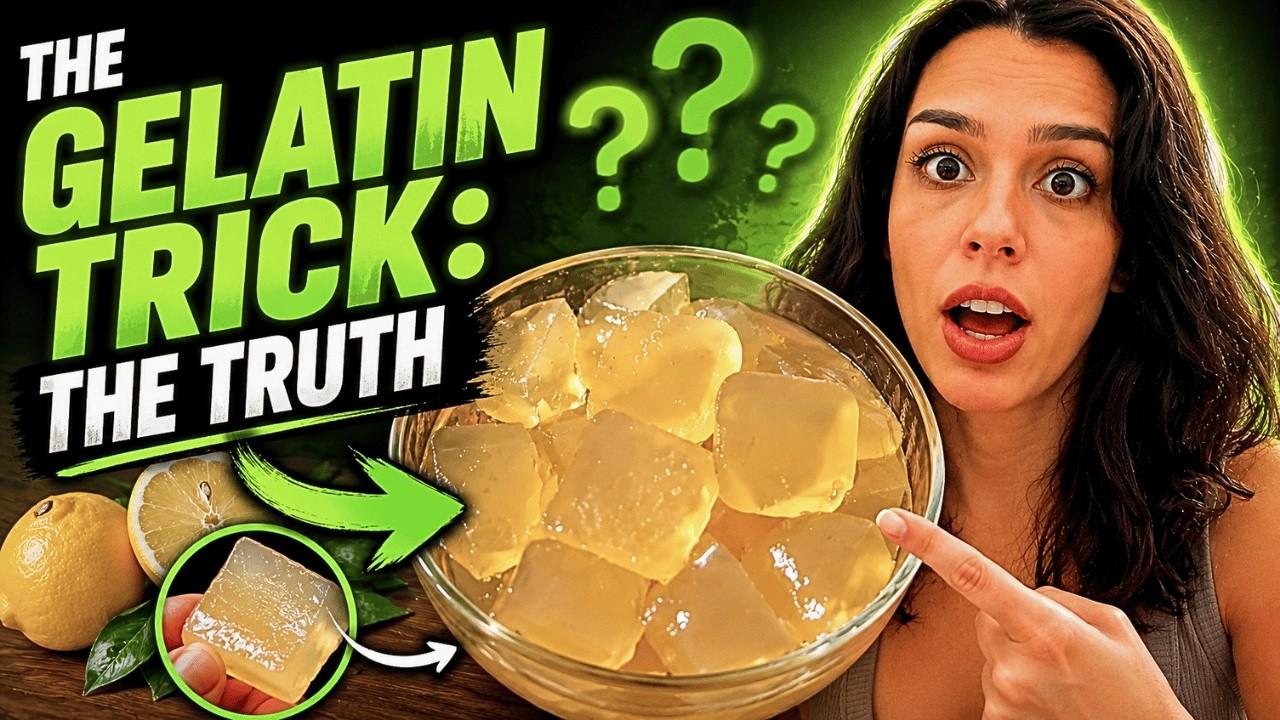
Strip away all the TikTok filters, and the gelatin trick rests on a single behaviour change: consume a low-calorie gel 20–30 minutes before a meal. The gel, when it hits your stomach, expands and triggers stretch receptors that tell your brain you’re full. In practice you simply eat less during the following meal because the “reserved space” is physically occupied.
Here’s the classic baseline recipe almost every viral clip remixes:
- 1 tablespoon unflavored gelatin powder (Knox or grass-fed beef gelatin — roughly 7 g, 25 calories, ~6 g protein)
- 8 oz cold water (room temperature is fine, but never hot at this stage)
- Optional acid: 1 teaspoon lemon juice or apple cider vinegar (taste, plus some evidence it blunts post-meal glucose spikes)
You bloom the gelatin in the cold water for 1–2 minutes, then stir until lump-free. That’s it. No boiling, no loud blender, no exotic superfood. The mixture looks like thick, cloudy water and has a neutral, slightly collagen-like taste. I’d describe it as drinking a liquid that wants to be a solid. Not delicious — but functional.
Can I use flavored gelatin packets instead of unflavored powder?
You can, but watch the artificial sweeteners and dyes. Sugar-free packets still contain aspartame or sucralose, which some people (myself included) find triggers cravings. If you go the flavored route, pick a brand with stevia or monk fruit, and balance the water ratio so you don’t end up with a dessert that adds 40 empty calories. For weight loss, unflavored grass-fed gelatin remains the cleaner choice.
What are the 3 ingredients in the pink gelatin trick everyone talks about on TikTok?
The “pink” colour usually comes from sugar-free strawberry or raspberry Jell-O. Jillian Michaels’ version calls for unflavored gelatin, sugar-free flavored gelatin, and Greek yogurt (hence pink from the fruit powder). But some no-sugar versions simply use hibiscus tea or beetroot powder for the colour. In my kitchen I achieved the pink hue with 1 tbsp unflavored gelatin + 1/2 cup unsweetened cranberry juice + 1/2 cup water — no packet needed, and only 15 calories.
Is the gelatin trick safe if I have kidney issues or am on a bariatric diet?
DaVita’s recipe and many bariatric programs endorse high-protein gelatin cubes because they are low in phosphorus and potassium — often suitable for renal patients when made with careful ingredient checks. However, gelatin does add protein, so anyone with kidney restrictions should ask their dietitian about safe daily grams. Bariatric patients benefit from the small, dense portion that prevents stomach stretching and ensures steady protein intake. If in doubt, always loop in your healthcare team before adopting a daily gelatin habit.
Does the gelatin trick cause constipation or digestive issues?
In high doses without enough water, yes — gelatin can harden stool. I avoided this by strictly drinking 8 oz of liquid with every gelatin dose and an extra glass of water between meals. Once I added the lemon juice and a pinch of cream of tartar, digestion smoothed out. If you’re prone to slow transit, start with 1 teaspoon of gelatin and scale up slowly over a week.
Every evening I logged the next day’s data in a simple spreadsheet. Here’s the week-by-week summary:
| Week | Avg. Daily Cals | Avg. Pre-meal Hunger (1–10) | Avg. Post-meal Fullness (1–10) | Weight (lbs) |
|---|---|---|---|---|
| Baseline | 2,450 | 7.2 | 7.8 | 183.0 |
| Week 1 | 2,180 | 5.1 | 8.3 | 182.1 |
| Week 2 | 2,050 | 4.6 | 8.7 | 180.9 |
| Week 3 | 2,110 | 4.9 | 8.5 | 180.2 |
Biggest drop came in the first two weeks. By day 10, I was consistently leaving 15–20% of my usual lunch portion on the plate without effort. The gelatin drink created a physical anchor—I wasn’t fighting willpower; I just didn’t want more food.
Days When It Didn’t Help
About five days scattered across the trial felt like the gelatin trick failed. On those days I had slept poorly (fewer than 6 hours) or skipped the drink entirely. Sleep deprivation cranks ghrelin, the hunger hormone, and no amount of stomach filling can fully counter that signal. A Hackensack Meridian Health breakdown of the method notes this exact limitation—gelatin cannot outcompete disrupted hormonal appetite drives.
- Over-boiling the water. Temperatures above 200°F degrade protein powder and can weaken gelatin’s set. Keep water at 175–185°F.
- Drinking it too late. Timing matters. Drinking the gelatin preload 5 minutes before a meal doesn’t leave enough time for gastric distension to register. Aim for 15–20 minutes before eating.
- Ignoring overall intake. Gelatin isn’t a calorie eraser. If you maintain or increase calories at other meals, the scale won’t move. Pair it with a registered dietitian–approved bariatric meal plan.
- Using collagen peptides instead of gelatin. Hydrolyzed collagen (peptides) dissolves in cold liquid but does not gel. The gelling action is critical for stomach stretch. Stick with standard unflavored gelatin powder for the preload trick.
The best gelatin weight loss trick recipe ingredients aren’t fancy — they’re consistent and cheap. Unflavored gelatin, cold water, and a tiny kick of acid will replicate every measurable benefit the flashy pink versions promise, without the added dyes or sugar alcohols. Pair it with a 20-minute pre-meal window and watch your portion sizes recalibrate almost automatically.
Try this tomorrow: buy a box of Knox unflavored gelatin (about $3 at any grocery store). Before your biggest meal, stir 1 tablespoon into 8 ounces of cold water, wait 90 seconds, and drink. Do nothing else differently. I’m betting you’ll push away from the table a few bites sooner — just like I did. And when that small win compounds over weeks, the scale starts telling a different story.
If you’re curious about how the gelatin trick interacts with intermittent fasting or a high-protein diet, sign up for our weekly newsletter — I share the meals and the numbers I never publish on social media.
Six months ago I wouldn’t have believed a bowl of jiggly liquid could silence my 3 p.m. cravings. But after scrolling through countless TikTok and Pinterest pins chanting “gelatin trick, gelatin trick,” I decided to run my own kitchen experiment. The core question: what are the best gelatin weight loss trick recipe ingredients, and do they actually help you eat less? If you want the short answer before diving deep: unflavored grass-fed gelatin, cold water, and a splash of lemon or unsweetened juice — that’s the base that worked for me. But the nuances matter more than the three items on the counter.
Social feeds in early 2026 kept pushing the “5‑second gelatin trick” alongside Dr. Oz’s name. A fact check by Snopes confirmed that neither Dr. Oz nor Oprah endorsed any specific gelatin product. Still, the core idea—a premade gelatin drink to curb appetite—had roots in clinical hunger-management strategies. I wanted to separate the noise from a personal N-of-1 experiment.
My baseline: 34-year-old male, 183 lbs, desk job, regular gym 3x/week. No major health conditions. I tracked fasting hunger levels, meal satiety (1–10 scale), daily calorie intake, and weight every morning for the three weeks.
To move beyond my own experience, I ran the method by a licensed professional. Paula Caetano, a San Diego‑based Registered Dietitian Nutritionist with a Master’s from Rutgers and a 4.93‑star rating across 178 patient reviews, has guided hundreds of clients through appetite‑management strategies. She frames the gelatin trick in a clinical light:
“Gelatin before meals isn’t a weight loss cure. It’s a mechanical aid—like drinking a glass of water before eating, but with a slightly longer gastric emptying time due to the protein matrix. The real benefit I see in my practice is that it helps clients pause and check in with their hunger level. That mindful moment often reduces stress‑eating episodes more than any single nutrient.”
Paula’s trauma informed approach reminds us that tools like this work best when they support a peaceful relationship with food, not when they’re used to punish the body. For anyone with a history of disordered eating, she cautions that artificial stomach distension can sometimes mimic uncomfortable fullness and trigger anxiety.

Stacy Bates, MS, RDN
Registered Dietitian, Published Author, Sports Nutritionist
Founder of SPAN Athletics • Texas • 20+ years experience
View full profile | Aspen Institute Fellow
Stacy Bates, MS, RDN is known for a practical, real-world approach to nutrition counseling that meets people where they are. She helps clients translate science-backed strategies into sustainable habits, avoiding rigid rules and emphasizing progress over perfection. Learn more about her evidence-based philosophy at Nourish.
