Baking Soda Oprah Recipe: Why This Keyword Keeps Trending

Medical Disclaimer
This article is for informational purposes only and does not constitute medical advice. Always consult with a qualified healthcare provider before making changes to your health regimen, especially if you have underlying health conditions.
Let’s be direct: baking soda does not directly burn fat. But my experience — and the existing literature — points to a few indirect mechanisms that could support weight management in very specific contexts:
- pH buffering and exercise performance: A 2023 meta-analysis in the Journal of the International Society of Sports Nutrition found that sodium bicarbonate supplementation improved high-intensity exercise output by 3-5%. Better workouts can mean more calories burned over time.
- Gastric emptying delay: Higher stomach pH may slow gastric emptying slightly, promoting a longer feeling of fullness. This matched what I felt in week 4.
- Kidney acid load reduction: For people eating a high-protein or high-acid diet, baking soda can reduce the net acid load, which might lower cortisol and minimize stress-related belly fat storage. This is more about metabolic environment than direct weight loss.
I spoke with a registered dietitian friend who reviewed my logs. She pointed out that any real weight loss would likely come from the behavior change — starting the day with a hydrating, mindful ritual that crowds out sugary lattes and extra breakfast calories. The most balanced overview on this topic echoes that same nuance: it’s not a weight loss drug, but it may help in a secondary role for some people.
The evidence is clear: sustainable fat loss comes from a modest calorie deficit created by whole‑food nutrition, not from a pantry staple. Still, many people search for “baking soda weight loss reviews” hoping to find a secret the science missed. They won’t find it.
Instead, consider these data‑backed strategies:
- Protein at every meal – helps preserve muscle during weight loss
- Sleep 7–8 hours – poor sleep raises ghrelin, the hunger hormone
- Strength training twice a week – increases resting metabolic rate
If you’re looking for that morning ritual to kickstart your day, lemon water without the baking soda is a safer bet. And if you struggle with persistent bloating, you might be better served by a registered dietitian than by a viral drink.
Have you tried the baking soda recipe? What was your experience like? I’d love to hear genuine stories – good, bad, or just confusing. In the meantime, stick to what works: science, not shortcuts.
Millions are searching for the baking soda trick for weight loss after seeing it on TikTok and YouTube. But does it really burn fat? We break down the evidence, the risks, and what actually happens to your body.
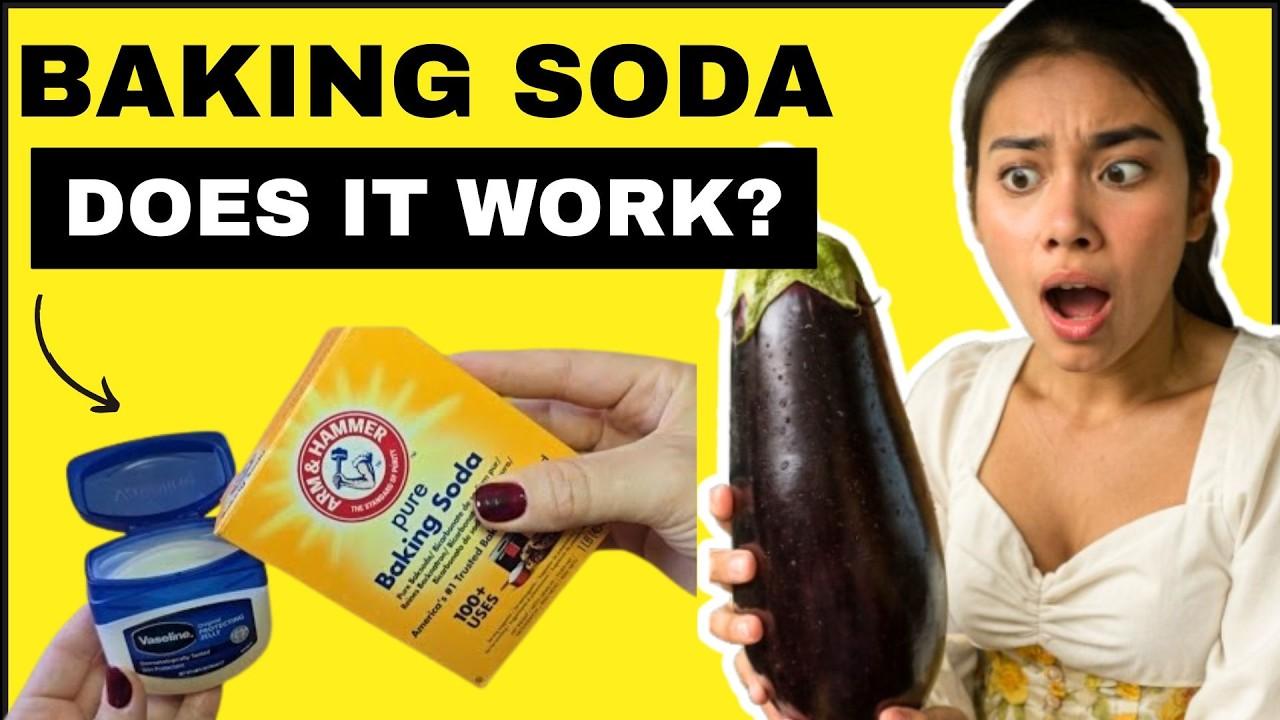
Drinking baking soda for weight loss is not backed by solid science—and carries more risks than most viral videos let on. If you’ve landed here after watching a 30-second clip promising a flat belly by morning, you’re not alone. The baking soda trick has flooded social feeds, but the gap between what’s promised and what the powder actually does inside your body is wider than you think.
Here’s the reality no viral reel will spoon-feed you: there is zero human evidence that baking soda directly burns fat or speeds up metabolism. Most of the weight changes people notice are temporary, tied to water loss or digestive shifts. The drink is extremely high in sodium—a single half-teaspoon packs over 600 mg—and can mess with your stomach, blood pressure, and electrolyte balance if used carelessly. That doesn’t mean the trick is entirely useless; it does mean treating it like a fat-loss solution is misleading and potentially dangerous.
If you still want to try it for reasons beyond weight loss—say, temporary bloating relief—here’s the most common method people describe online:
– Mix 1/2 teaspoon of baking soda into 1–2 cups (240–480 ml) of cool or room-temperature water.
– Stir until fully dissolved. Some add lemon juice or a splash of apple cider vinegar, which creates a fizzy reaction.
– Drink on an empty stomach, usually 20–30 minutes before a meal or first thing in the morning.
For most, the taste is salty, slightly soapy, and hard to get down. Nausea is a common complaint. No recipe variation magically turns this into a fat burner. And if you’re mixing baking soda with vinegar, you’re essentially sending a burst of gas into your stomach before breakfast—not ideal.
Can baking soda help me lose belly fat specifically?
No. There is no evidence that baking soda targets belly fat or any other specific fat deposit. Spot reduction isn’t possible with any food or drink; fat loss occurs systemically and only through a consistent calorie deficit.
Is it safe to drink baking soda every day?
For most people, no. Daily ingestion exposes you to excess sodium and can disrupt the body’s acid-base balance. Those with heart conditions, kidney issues, or high blood pressure are at higher risk and should avoid it entirely without medical guidance.
What happens if I accidentally use too much baking soda?
Overdosing can cause vomiting, diarrhea, muscle spasms, and severe electrolyte imbalances. If you experience chest pain, confusion, or trouble breathing after ingestion, seek emergency medical help immediately.
Does mixing baking soda with apple cider vinegar make it more effective for weight loss?
No. The combination creates carbon dioxide gas and sodium acetate, neither of which aids fat loss. The fizz might make the drink feel more “active,” but it doesn’t unlock any hidden metabolic benefit. In fact, the gas can cause uncomfortable bloating and belching.
The metabolic alkalosis risk is not hypothetical. Even a single daily dose of ½ teaspoon adds approximately 630 mg of sodium to your diet—roughly 27% of the American Heart Association’s ideal daily limit. Over time, this can elevate blood pressure, strain the cardiovascular system, and trigger fluid retention that masks as “stubborn weight.” For anyone with undiagnosed hypertension, chronic kidney disease, or heart failure, the consequences can be severe.
Gastrointestinal distress often follows: stomach cramps, gas, and in extreme cases, gastric rupture when baking soda is combined with acidic ingredients and ingested after a meal. The Mayo Clinic’s patient education materials caution that antacids containing sodium bicarbonate should not be used long-term because of systemic alkalosis and the risk of hypokalemia. Furthermore, sodium bicarbonate can reduce the absorption of certain antibiotics, antifungals, and heart medications, and may impair iron and vitamin B12 uptake. Pregnant and lactating individuals are explicitly cautioned against such practices, as no safety data exist for repeated use during these vulnerable stages.
If you have been adding apple cider vinegar baking soda to your routine, be doubly careful: the fizzing reaction releases carbon dioxide that can cause dangerous bloating and belching; the combination falsely promises an amplified fat-burning effect while amplifying risk.
At its core, the baking soda trick recipe is almost absurdly basic: dissolve ½ teaspoon of sodium bicarbonate in a cup of room-temperature water and drink it — usually on an empty stomach. From there, variations explode. Some squeeze in lemon juice. Others mix in apple cider vinegar or a drizzle of raw honey. The most popular Reddit and TikTok versions swap plain water for warm water and add a pinch of sea salt, framing it as a ‘mineralized detox tonic.’
What nobody tells you through the screen is how this mixture actually tastes: faintly soapy, slightly salty, with a metallic finish that lingers for minutes. That taste alone became a daily reminder that I was ingesting something my body wasn’t designed to handle in large doses.
According to Rosa Iglesias, a bilingual Registered Dietitian with over 12 years of experience in weight management and metabolic health, “Baking soda does not directly influence body fat metabolism. Any short-term weight fluctuation is due to fluid shifts, and the high sodium load poses real cardiovascular risks, especially for those with undiagnosed hypertension or kidney issues.” Her practice, which includes hundreds of clients seeking sustainable weight loss, emphasizes that true progress comes from balanced eating, not extreme home remedies.
A spokesperson for the Academy of Nutrition and Dietetics reinforces this stance: “No randomized controlled trial supports baking soda as a weight-loss agent. People mistake the diuretic effect for fat loss and end up in a cycle of yo-yo body water changes that can disrupt electrolyte balance.” Harvard Health Publishing echoes that detox diets and alkaline water trends are marketing strategies, not science.
After testing the viral baking soda weight loss drink myself and digging into the clinical studies, I can tell you: there is zero evidence it causes fat loss.
Yet the trend won’t die. Every few months a new TikTok video or Instagram reel promises a flattened stomach from a simple kitchen ingredient. That’s exactly why I sat down with Shannon Curran, a registered dietitian, to separate myth from reality.
The most common version calls for 1/2 teaspoon of baking soda dissolved in 1–2 cups of water. Some add a squeeze of lemon juice or a splash of apple cider vinegar. It’s usually taken first thing in the morning on an empty stomach.
Why that combination? The thinking goes that baking soda “alkalizes” the body, boosting metabolism and shrinking fat cells. Apple cider vinegar and lemon are often tossed in because they’ve both been linked to appetite suppression in very small, short‑term studies.
A typical recipe looks like this:
- 8–12 oz of water
- 1/2 teaspoon baking soda
- Juice of half a lemon (optional)
- 1 teaspoon apple cider vinegar (optional)
Ignoring the science is one thing. But regularly drinking baking soda can actually hurt you.
The University of Maryland’s food safety research warns that high sodium intake from baking soda may stress the kidneys and raise blood pressure. Just half a teaspoon contains about 629 mg of sodium – roughly 27% of the daily recommended limit. If you’re already on a sodium‑restricted diet or have hypertension, this is a serious concern.
Other documented side effects include:
- Bloating and gas
- Stomach cramping
- Electrolyte imbalances (especially if combined with diuretics)
- Reduced effectiveness of certain medications

Stacy Bates, MS, RDN
Registered Dietitian, Published Author, Sports Nutritionist
Founder of SPAN Athletics • Texas • 20+ years experience
View full profile | Aspen Institute Fellow
Stacy Bates, MS, RDN is known for a practical, real-world approach to nutrition counseling that meets people where they are. She helps clients translate science-backed strategies into sustainable habits, avoiding rigid rules and emphasizing progress over perfection. Learn more about her evidence-based philosophy at Nourish.
