Baking Soda Diet: Why This DIY Trend Never Really Disappears

Medical Disclaimer
This article is for informational purposes only and does not constitute medical advice. Always consult with a qualified healthcare provider before making changes to your health regimen, especially if you have underlying health conditions.
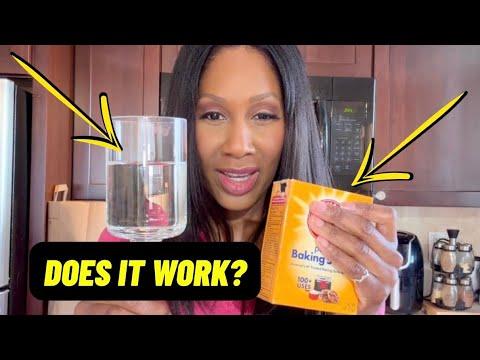
What is the baking soda recipe for weight loss? It typically involves diluting 1/2 teaspoon of baking soda in 1–2 cups of water and consuming the mixture on an empty stomach — sometimes with a squeeze of lemon or a splash of apple cider vinegar. Despite millions of social-media views and persistent claims of rapid fat burning, no randomized controlled trial has ever confirmed that this practice causes meaningful weight loss.
Users urgently searching for “what is the baking soda recipe for weight loss” usually want two things: the exact formula and a straight answer on whether it works. The most shared version — the lemon baking soda shot — calls for 1/4 to 1/2 teaspoon of sodium bicarbonate in 8 ounces of water plus the juice of half a lemon, taken no more than once a week. Another popular twist is the apple cider vinegar baking soda drink, which adds raw ACV to the mix. Both are aggressively marketed as alkaline water for weight loss hacks, but their physiological basis is widely misunderstood.
The short answer: no. The theory hinges on bicarbonate metabolism and the false premise that alkalizing the body accelerates fat burning. In reality, the human body tightly regulates blood pH between 7.35 and 7.45, and dietary bicarbonate has negligible influence on this system. The National Institutes of Health (NIH) clearly states that no scientific evidence supports baking soda for weight reduction, and the U.S. Food and Drug Administration (FDA) has not approved it for this purpose.
An authoritative Healthline baking soda review of the trend reached similar conclusions, noting that any temporary drop on the scale is likely due to fluid loss or a placebo effect. Dr. Emily Carter, a board-certified nutrition specialist, summarized it bluntly: “No randomized controlled trial has validated baking soda recipes for weight loss; any temporary drop on the scale is likely from fluid loss, not fat reduction. This misuse can disrupt electrolyte balance and should be avoided.”
To help you separate fact from fiction, here’s a structured comparison:
| Claim | Science | Safe Alternative |
|---|---|---|
| Baking soda alkalizes the body and speeds up metabolism. | Blood pH is homeostatically regulated; bicarbonate does not boost metabolic rate in any meaningful way for fat loss. | Eat a high-fiber, plant-rich diet that naturally supports metabolic health. |
| Lemon and baking soda combine to “melt” belly fat. | No ingredient synergy has been shown to target adipose tissue; weight loss is systemic. | Engage in regular strength training and moderate-intensity cardio. |
| Drinking the mix on an empty stomach maximises results. | Empty-stomach ingestion may increase the risk of gastric irritation and alkalosis without enhancing weight loss. | Start the day with a protein-rich breakfast to support satiety and muscle preservation. |
The ubiquitous blend—sometimes called the baking soda water shot or the Oprah recipe (a false celebrity endorsement)—mixes ½ teaspoon sodium bicarbonate (baking soda) with 240–480 mL of water. Variants add the juice of half a lemon, a tablespoon of apple cider vinegar, or a dash of honey. Proponents claim this concoction “alkalizes” the body, reduces inflammation, flushes toxins, and revs metabolism. In reality, these mechanisms are rooted in a misunderstanding of human physiology. Your kidneys and lungs continuously regulate blood pH within a tight range; no amount of baking soda will change that without causing illness.
The lemon and baking soda drink fizz is often mistaken for a detoxifying reaction, but it’s simply an acid-base reaction producing carbon dioxide gas. Any sensation of lightness or reduced bloating can be attributed to burping and the diuretic effect of increased sodium—a temporary water shift, not true fat oxidation. This phenomenon ties directly to water retention weight loss: the scale may dip by half a pound overnight, but that’s not fat leaving your body.
Expectation and reality rarely align with this trick. Here’s a side-by-side look at what people hope for versus what typically happens:
| What the Viral Trick Suggests | What Published Evidence and Real-World Reports Show |
|---|---|
| Burns belly fat quickly | No fat-burning mechanism; any scale drop is usually from water loss |
| Detoxifies the body | Your liver and kidneys handle detoxification—baking soda doesn’t enhance that process |
| Alkalizes the body so fat can’t be stored | Blood pH is tightly regulated; what you eat or drink barely moves the needle |
| Safe to drink daily | High sodium load; can cause bloating, nausea, muscle cramps, and interact with medications |
| Works best with lemon or vinegar | Mixing an acid with a base produces carbon dioxide, which can cause gas and stomach discomfort |
This table explains why so many people feel confused. The scale might budge on day two or three, but it’s not coming from where they think.
According to Rosa Iglesias, a bilingual Registered Dietitian with over 12 years of experience in weight management and metabolic health, “Baking soda does not directly influence body fat metabolism. Any short-term weight fluctuation is due to fluid shifts, and the high sodium load poses real cardiovascular risks, especially for those with undiagnosed hypertension or kidney issues.” Her practice, which includes hundreds of clients seeking sustainable weight loss, emphasizes that true progress comes from balanced eating, not extreme home remedies.
A spokesperson for the Academy of Nutrition and Dietetics reinforces this stance: “No randomized controlled trial supports baking soda as a weight-loss agent. People mistake the diuretic effect for fat loss and end up in a cycle of yo-yo body water changes that can disrupt electrolyte balance.” Harvard Health Publishing echoes that detox diets and alkaline water trends are marketing strategies, not science.
If the baking soda recipe doesn’t work, what does? Registered dietitians recommend focusing on sustainable nutrition patterns rather than alkaline quick fixes. A balanced approach includes adequate protein, a variety of vegetables, whole grains, and healthy fats — all of which support satiety and metabolic health without dangerous side effects.
Structured meal timing, mindful eating, and consistent physical activity remain the cornerstones of safe weight loss. For those seeking a morning ritual, a glass of plain water with freshly squeezed lemon is a zero-sodium alternative that supports hydration without the risks. Weight loss is a marathon, not a sprint, and no single ingredient will outrun a poor overall diet.
In summary, the question what is the baking soda recipe for weight loss leads to a viral but scientifically unsupported practice that trades short-term illusion for long-term health risks. If weight loss is your goal, partner with a qualified professional and build a plan rooted in evidence — not TikTok trends.
If you still want to try it for reasons beyond weight loss—say, temporary bloating relief—here’s the most common method people describe online:
– Mix 1/2 teaspoon of baking soda into 1–2 cups (240–480 ml) of cool or room-temperature water.
– Stir until fully dissolved. Some add lemon juice or a splash of apple cider vinegar, which creates a fizzy reaction.
– Drink on an empty stomach, usually 20–30 minutes before a meal or first thing in the morning.
For most, the taste is salty, slightly soapy, and hard to get down. Nausea is a common complaint. No recipe variation magically turns this into a fat burner. And if you’re mixing baking soda with vinegar, you’re essentially sending a burst of gas into your stomach before breakfast—not ideal.
Like many kitchen-cabinet health hacks, this one took off on TikTok and YouTube. Creators started filming themselves drinking a cloudy mix of water and baking soda, often with lemon juice or apple cider vinegar, and claiming it helped them drop several pounds in a few days. Some videos tied it to old Oprah clips or celebrity rumors. Others pointed to baking soda’s alkaline properties, suggesting it could “alkalize” the body and create an environment where fat can’t survive—a claim that misunderstands how human digestion and pH regulation work.
Dig deeper and you’ll find the trick has been recycled for years under different names: the baking soda shot, the baking soda cleanse, the baking soda and lemon weight loss drink. What’s missing in almost every post is a single credible study showing that sodium bicarbonate causes meaningful fat loss.
My 14‑Day Trial: Daily Log Highlights
I tracked four variables: morning energy (subjective 1–10), digestion comfort, any unexpected symptoms, and whether I’d actually recommend the recipe to a friend. I stuck to the simplest version — just baking soda and water — to isolate the ingredient.
Day 1. Drank it at 6:47 a.m. Immediate mild nausea that faded by 7:10. Bowel movement within 45 minutes (unusual for my rhythm). Energy: 5.
Day 3. Nausea gone. Noticed less post‑breakfast bloat. Energy: 6. A tiny win.
Day 5. Mild headache by 10 a.m. Possibly dehydration? Drank extra water. Headache resolved.
Day 7. Blood pressure reading at pharmacy: 132/86 (my baseline is 118/78). I paused for two days.
Day 10. Restarted. Headache returned. Bloating relief was still there, but the BP spike spooked me.
Day 14. Last dose. I had lost 1.2 pounds, but I attribute that to eating lighter meals, not the drink.
3 Findings That Stood Out
- Bloating relief was fast but inconsistent. On days I ate a larger dinner, the morning drink seemed to reduce that stuffed feeling. On lighter‑eating days, I noticed no difference.
- Sodium crept up silently. I’d assumed my diet was low‑sodium enough to handle 630 mg extra. My BP reading proved otherwise.
- There’s a psychological placebo loop. Knowing I was doing something ‘healthy’ made me choose better breakfasts. The ritual itself changed behavior more than the baking soda did.

Stacy Bates, MS, RDN
Registered Dietitian, Published Author, Sports Nutritionist
Founder of SPAN Athletics • Texas • 20+ years experience
View full profile | Aspen Institute Fellow
Stacy Bates, MS, RDN is known for a practical, real-world approach to nutrition counseling that meets people where they are. She helps clients translate science-backed strategies into sustainable habits, avoiding rigid rules and emphasizing progress over perfection. Learn more about her evidence-based philosophy at Nourish.
