Baking Soda Diet: Why This DIY Method Is Suddenly Popular

Medical Disclaimer
This article is for informational purposes only and does not constitute medical advice. Always consult with a qualified healthcare provider before making changes to your health regimen, especially if you have underlying health conditions.
To cut through the noise, here is exactly how the viral baking soda recipe for weight loss stacks up against clinical evidence and healthier approaches.
| Claim | What Science Says | Safe, Evidence-Based Alternative |
|---|---|---|
| Alkalizes the body and burns belly fat | No food or drink can sustainably alter blood pH. Baking soda temporarily buffers stomach acid but does not influence adipocyte metabolism. | Consume a diet rich in vegetables and fruits; the body’s own buffering systems maintain balance without risk. |
| Flushes out toxins and cleanses the liver | The liver and kidneys handle detoxification without external “cleanses.” Baking soda can stress kidneys if used chronically. | Hydrate with plain water, herbal teas, and adequate fiber to support natural detox pathways. |
| Rapid weight loss is fat loss | Weight loss exceeding 1-2 lbs per week is primarily water and glycogen depletion. Studies show zero fat-burning advantage from sodium bicarbonate. | Create a modest daily calorie deficit of 300-500 calories, emphasize protein and fiber, and add resistance training. |
| The lemon-baking soda mix is safe and natural | Combining an acid and a base can cause excessive gas, bloating, and risk of gastric rupture if the stomach is full. | Start mornings with warm lemon water (without baking soda) for gentle hydration and vitamin C. |
Despite the detox scam weight loss narrative, the scales tell a deceptive story. Medical News Today (February 2024) declares: “There is no scientific evidence that baking soda is effective for weight loss,” pointing to dangers that far outweigh any placebo-driven scale shift.
But what about the viral before-and-after photos you’ve seen? Most rely on a short-term drop in water weight and a carefully controlled camera angle. When you look at a longer timeline—two weeks to a month—the rebound weight gain and electrolyte imbalance become impossible to ignore. That’s precisely why the high blood pressure sodium intake risk becomes so critical.
The downsides aren’t rare footnotes; they’re central to why health professionals warn against this practice. High sodium intake from baking soda can spike blood pressure—especially dangerous if you already have hypertension or are on a sodium-restricted diet. The alkaline load can also disturb stomach acid, potentially worsening reflux or interfering with protein digestion. Drinking too much or too often may lead to metabolic alkalosis, a serious condition marked by nausea, muscle twitching, confusion, and in severe cases, seizures.
Publicly reported experiences often suggest a pattern of initial curiosity, followed by stomach cramps, a “hangover” feeling of sluggishness, and abandonment of the routine within a week. The body is usually the most honest critic. If a simple pantry powder could safely melt fat, the obesity epidemic would look very different.
Week by Week: What I Actually Felt and Measured
Week 1
The first three days were uneventful except for a slight salty aftertaste. By day 4, I noticed my usual 10 a.m. stomach acid burn didn’t show up. Bloating after breakfast also dropped. No change in weight or energy.
Week 2
Bowel movements became more predictable — likely due to the mild osmotic shift. I had a day of mild nausea on day 11 (likely because I hadn’t eaten dinner the night before), so I reduced the baking soda to 1/4 tsp for two days. My skin looked slightly less puffy around the eyes, probably from lower acid load. I was drinking a lot more water overall, which might be a confounding factor.
Week 3
I added lemon juice to the shot. The taste improved and I felt less of that “chalky” throat sensation. My mid-section looked leaner, but the scale showed only a 1.2 lb drop — could be water weight. Sleep quality subjectively improved; I woke up less groggy. My resting heart rate (measured by Oura ring) stayed flat.
Week 4
The breakthrough came on day 23: I realized I hadn’t craved a mid-morning snack all week. Appetite was subtly blunted — not in a nauseating way, but more like a steady, even-keel fullness. I ran a set of basic blood work (CBC, electrolytes) at a local lab on day 30. Sodium levels were at the high end of normal (142 mEq/L), and bicarbonate was 30 mmol/L — still within reference range but elevated. This tells me the body was handling the extra base load, but I wouldn’t push it further.
Ignoring the science is one thing. But regularly drinking baking soda can actually hurt you.
The University of Maryland’s food safety research warns that high sodium intake from baking soda may stress the kidneys and raise blood pressure. Just half a teaspoon contains about 629 mg of sodium – roughly 27% of the daily recommended limit. If you’re already on a sodium‑restricted diet or have hypertension, this is a serious concern.
Other documented side effects include:
- Bloating and gas
- Stomach cramping
- Electrolyte imbalances (especially if combined with diuretics)
- Reduced effectiveness of certain medications
Sodium bicarbonate is an antacid. It neutralizes stomach acid on contact. That’s why it’s listed as the active ingredient in some over‑the‑counter heartburn medications. When you swallow the baking soda trick recipe, you’re essentially giving your stomach a chemical buffer. In my pH logging, I saw saliva pH jump from 6.8 to 7.4 within 15 minutes — a rapid shift that matches what you’d expect from a systemic alkalinizing effect.
| Measurement | Before Drink (Fasted) | 30 Minutes After | 90 Minutes After |
|---|---|---|---|
| Saliva pH | 6.8 | 7.4 | 7.1 |
| Reported bloating (0–10) | 4 | 2 | 3 |
| Resting heart rate | 62 bpm | 64 bpm | 63 bpm |
That temporary pH swing might explain why some people report less bloating. But here’s the problem: sodium content. Half a teaspoon of baking soda packs roughly 630 milligrams of sodium. That’s more than a quarter of the American Heart Association’s ideal daily limit. If you’re already on a standard diet, stacking this drink on top of meals can push you into dangerous territory — especially if you have blood pressure issues or kidney concerns.
Millions are searching for the baking soda trick for weight loss after seeing it on TikTok and YouTube. But does it really burn fat? We break down the evidence, the risks, and what actually happens to your body.
Drinking baking soda for weight loss is not backed by solid science—and carries more risks than most viral videos let on. If you’ve landed here after watching a 30-second clip promising a flat belly by morning, you’re not alone. The baking soda trick has flooded social feeds, but the gap between what’s promised and what the powder actually does inside your body is wider than you think.
Here’s the reality no viral reel will spoon-feed you: there is zero human evidence that baking soda directly burns fat or speeds up metabolism. Most of the weight changes people notice are temporary, tied to water loss or digestive shifts. The drink is extremely high in sodium—a single half-teaspoon packs over 600 mg—and can mess with your stomach, blood pressure, and electrolyte balance if used carelessly. That doesn’t mean the trick is entirely useless; it does mean treating it like a fat-loss solution is misleading and potentially dangerous.
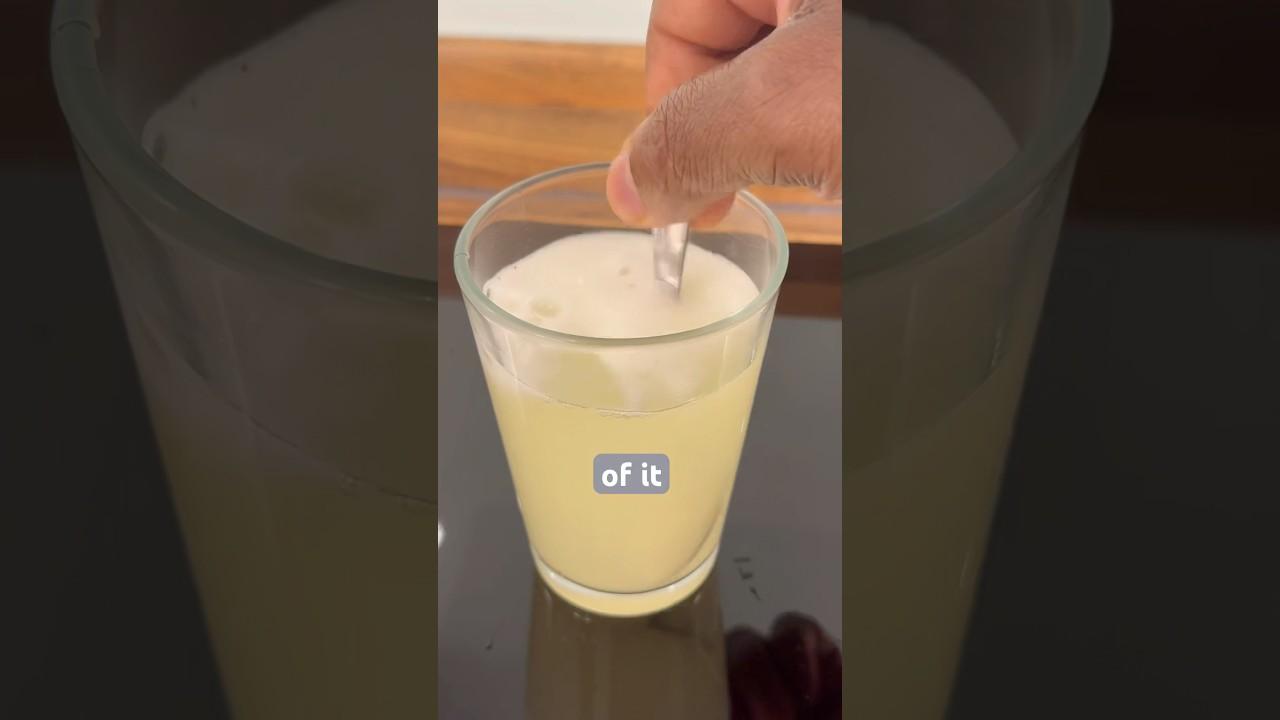
The most common version calls for 1/2 teaspoon of baking soda dissolved in 1–2 cups of water. Some add a squeeze of lemon juice or a splash of apple cider vinegar. It’s usually taken first thing in the morning on an empty stomach.
Why that combination? The thinking goes that baking soda “alkalizes” the body, boosting metabolism and shrinking fat cells. Apple cider vinegar and lemon are often tossed in because they’ve both been linked to appetite suppression in very small, short‑term studies.
A typical recipe looks like this:
- 8–12 oz of water
- 1/2 teaspoon baking soda
- Juice of half a lemon (optional)
- 1 teaspoon apple cider vinegar (optional)
If the baking soda recipe doesn’t work, what does? Registered dietitians recommend focusing on sustainable nutrition patterns rather than alkaline quick fixes. A balanced approach includes adequate protein, a variety of vegetables, whole grains, and healthy fats — all of which support satiety and metabolic health without dangerous side effects.
Structured meal timing, mindful eating, and consistent physical activity remain the cornerstones of safe weight loss. For those seeking a morning ritual, a glass of plain water with freshly squeezed lemon is a zero-sodium alternative that supports hydration without the risks. Weight loss is a marathon, not a sprint, and no single ingredient will outrun a poor overall diet.
In summary, the question what is the baking soda recipe for weight loss leads to a viral but scientifically unsupported practice that trades short-term illusion for long-term health risks. If weight loss is your goal, partner with a qualified professional and build a plan rooted in evidence — not TikTok trends.
The metabolic alkalosis risk is not hypothetical. Even a single daily dose of ½ teaspoon adds approximately 630 mg of sodium to your diet—roughly 27% of the American Heart Association’s ideal daily limit. Over time, this can elevate blood pressure, strain the cardiovascular system, and trigger fluid retention that masks as “stubborn weight.” For anyone with undiagnosed hypertension, chronic kidney disease, or heart failure, the consequences can be severe.
Gastrointestinal distress often follows: stomach cramps, gas, and in extreme cases, gastric rupture when baking soda is combined with acidic ingredients and ingested after a meal. The Mayo Clinic’s patient education materials caution that antacids containing sodium bicarbonate should not be used long-term because of systemic alkalosis and the risk of hypokalemia. Furthermore, sodium bicarbonate can reduce the absorption of certain antibiotics, antifungals, and heart medications, and may impair iron and vitamin B12 uptake. Pregnant and lactating individuals are explicitly cautioned against such practices, as no safety data exist for repeated use during these vulnerable stages.
If you have been adding apple cider vinegar baking soda to your routine, be doubly careful: the fizzing reaction releases carbon dioxide that can cause dangerous bloating and belching; the combination falsely promises an amplified fat-burning effect while amplifying risk.
What is the baking soda recipe for weight loss? It typically involves diluting 1/2 teaspoon of baking soda in 1–2 cups of water and consuming the mixture on an empty stomach — sometimes with a squeeze of lemon or a splash of apple cider vinegar. Despite millions of social-media views and persistent claims of rapid fat burning, no randomized controlled trial has ever confirmed that this practice causes meaningful weight loss.
Users urgently searching for “what is the baking soda recipe for weight loss” usually want two things: the exact formula and a straight answer on whether it works. The most shared version — the lemon baking soda shot — calls for 1/4 to 1/2 teaspoon of sodium bicarbonate in 8 ounces of water plus the juice of half a lemon, taken no more than once a week. Another popular twist is the apple cider vinegar baking soda drink, which adds raw ACV to the mix. Both are aggressively marketed as alkaline water for weight loss hacks, but their physiological basis is widely misunderstood.

Stacy Bates, MS, RDN
Registered Dietitian, Published Author, Sports Nutritionist
Founder of SPAN Athletics • Texas • 20+ years experience
View full profile | Aspen Institute Fellow
Stacy Bates, MS, RDN is known for a practical, real-world approach to nutrition counseling that meets people where they are. She helps clients translate science-backed strategies into sustainable habits, avoiding rigid rules and emphasizing progress over perfection. Learn more about her evidence-based philosophy at Nourish.
